Home > Blog > Collision Repair > Will My Car Be Totaled? How Insurers Decide on a Luxury Car
Share this post:
Waiting on Your Insurer?
Get the Full Picture First
A thorough inspection shows the real scope of the damage, so the decision on your car is based on more than what’s visible.
Enclosed transport for luxury and exotic cars.
Table of Contents
Whether a car is repaired or totaled usually comes down to a comparison. The insurer weighs what the repair will cost against what the car was worth, and on a luxury car, both sides of that comparison are larger than most people expect.
Here is how insurers make that call, why luxury and exotic cars behave differently, and what Florida law adds. If the accident just happened, start with what to do after a car accident in Florida.
How Insurers Decide Whether to Total a Car
An insurer usually totals a car when repairing it would cost about as much as the car is worth, or more. Many compare the repair estimate plus the car’s salvage value against its actual cash value just before the accident. Florida law also sets a damage threshold that affects the car’s title.
Repair estimate
Parts, labor, paint and calibration, including supplements.
Salvage value
What the damaged car would sell for as-is.
VS
Actual cash value
What the car was worth just before the accident.
THE RESULT
If the total is lower
Usually repaired
If it meets or exceeds
Usually totaled
A common approach, not a universal rule. Formulas vary by insurer and policy, and state law sets its own threshold.
Actual cash value isn’t the purchase price. It is the car’s market value just before the accident, based on comparable sales, mileage, options and condition.
Why Luxury and Exotic Cars Are Different
Value and repair cost both run higher. Damage that would total an economy car can fall well short of a luxury car’s actual cash value. But aluminum and carbon fiber structures, sensors, special paint and genuine parts push the estimate up just as fast. See how aluminum body repair works.
Valuation is harder. Limited-production models have few comparable sales, so actual cash value is easier to dispute. Salvage value can also be high, because parts from these cars hold their value, and that changes the math.
Some damage tips the scale on its own. Water damage, for example, often leads to a total loss. See car repair after a flood.
Florida's Total Loss Threshold
For insured vehicles, the insurer decides. Florida has no fixed percentage threshold for insured cars. Insurers determine whether replacement makes more sense than repair, regardless of vehicle age.
For uninsured vehicles, the threshold is 80%. Repairs costing 80% or more of a comparable replacement vehicle’s value qualify it as a total loss.
A total-loss declaration generally results in a salvage title. Even an insurer-approved repair can trigger total-loss branding if final costs exceed 100% of replacement value. Ask your insurer which valuation standard applies.
General information, not legal advice. Confirm your claim’s requirements with your insurer or a Florida attorney.
How Supplements Can Change the Decision
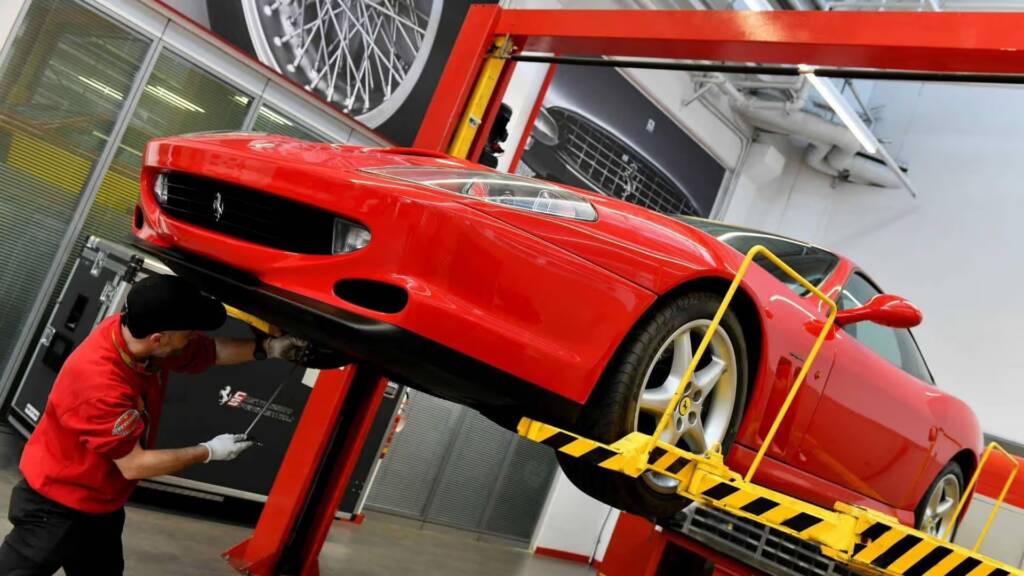
The first estimate isn’t the last word. Insurers often make an initial call from a visible-damage estimate. Once the car is taken apart, hidden damage goes back to the insurer as a supplement.
A supplement can move a car over the line. If added damage brings the total close to the car’s value, the insurer may re-evaluate, even after repairs have started. That is one reason a thorough teardown early matters. See how long collision repair takes.
What Happens After the Decision
If the car is totaled
- The insurer offers the actual cash value, minus your deductible.
- If you owe more than that on a loan or lease, gap coverage may cover the difference.
- You can challenge the valuation with comparable sales or your policy's appraisal process.
- Keeping the car is sometimes possible, but its title is branded salvage.
If the car is repaired
- In most cases you choose the repair facility.
- Hidden damage found during repair goes to the insurer as a supplement.
- Repair documentation supports future inspections and resale.
- A diminished value claim may be available if another driver was at fault.
If it’s totaled, review the valuation. Ask how actual cash value was calculated and which comparable vehicles were used. For a rare or highly optioned car, your own comparables can make a real difference.
If it’s repaired, protect its value. A documented, factory-procedure repair supports resale. If another driver was at fault, you may also be able to recover lost value through a diminished value claim in Florida.
FAQs
Can I keep my car if it’s totaled?
Often, yes. The insurer usually deducts the salvage value from your settlement, and the car is retitled as salvage. In Florida, it has to pass a rebuilt inspection before it can be titled and driven again.
Can I dispute a total loss valuation?
Yes. Ask for the valuation report, compare it with sales of similar cars, and check whether your policy includes an appraisal clause.
What if I owe more than the car is worth?
The insurer pays actual cash value, not your loan balance. Gap coverage, if you have it, may cover the difference.
Does a total loss show up on the car’s history?
Yes. A total loss is typically recorded through the title brand and in vehicle history reports.
Can I choose my own repair shop if my car might be totaled?
In most cases, yes. Choosing a shop early also means the car can be inspected thoroughly before the insurer makes its decision.
Insurance Claims
We’ll Work With Your Insurer
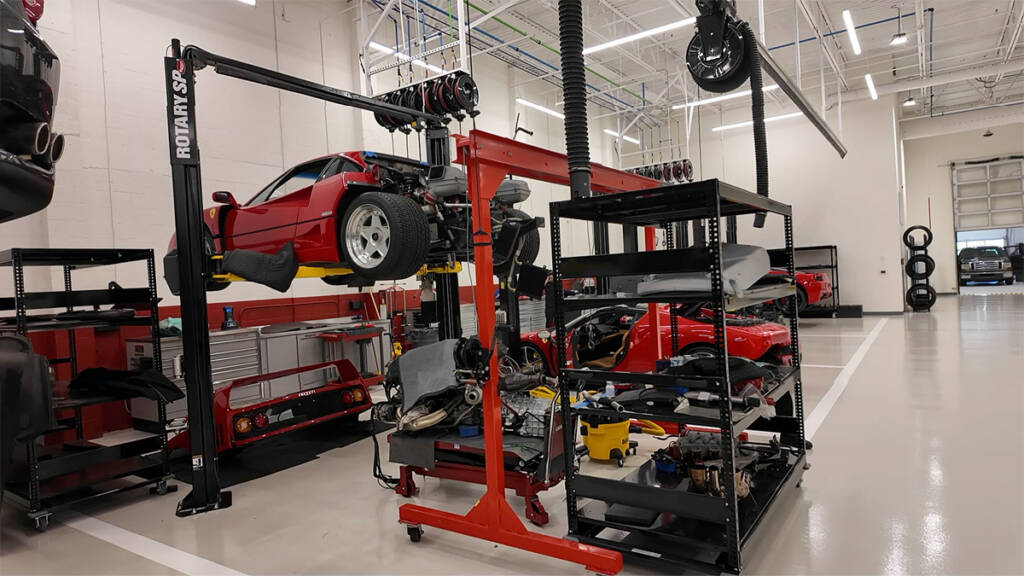
From the first estimate through every supplement, we handle the claim details while your car is repaired at our Pompano Beach facility.
Luxury and exotic vehicles welcome.
REPAIR INSIGHTS