Home > Blog > Paint Refinishing > How Do Body Shops Match Car Paint?
Share this post:
Quick Takeaways
- A paint code is only the start. Factory batches and sun exposure mean the same code can look different on every car.
- Color shifts with the light. Metallic and pearl finishes have to match from every angle, not just head-on.
- Texture matters as much as color. A repair that’s too smooth stands out next to factory paint.
- Blending hides the transition. New color is feathered into the panels around the repair.
Table of Contents
Car paint matching is the process of recreating a car’s exact color, metallic flake, and surface texture so a repaired panel is invisible next to the original paint. It combines the factory formula, a digital color scan, test spray-outs, and careful blending into the surrounding panels.
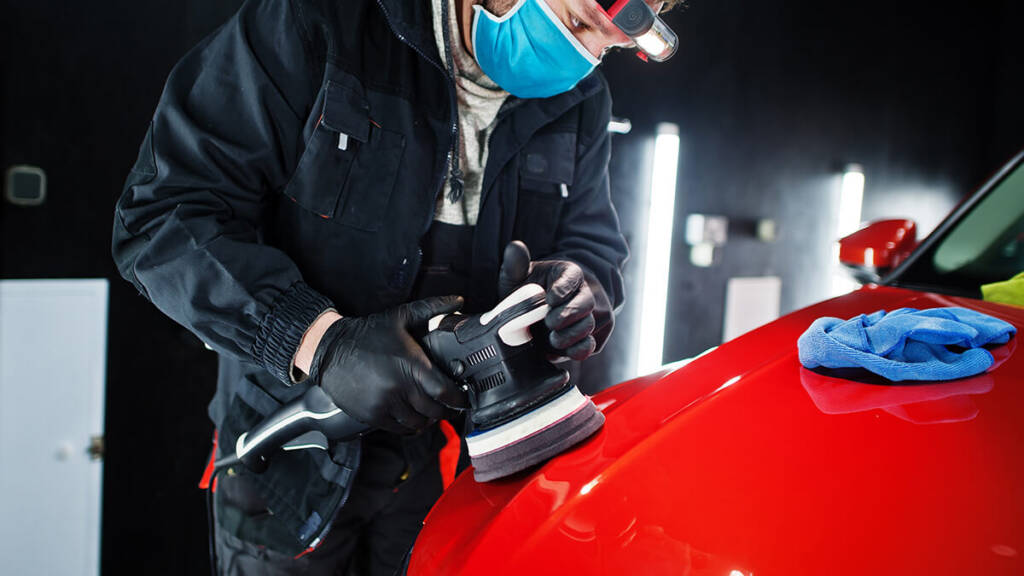
On a luxury or exotic car, close isn’t good enough. Multi-coat finishes shift color with the light, and owners notice the smallest difference, which is why matching is the heart of any car paint repair.
Why a Paint Code Isn’t Enough
Every car has a paint code, usually on a label in the door jamb, under the hood, or in the trunk. But two cars with the same code rarely look identical. Paint batches vary slightly at the factory, and years of sun change the color over time.
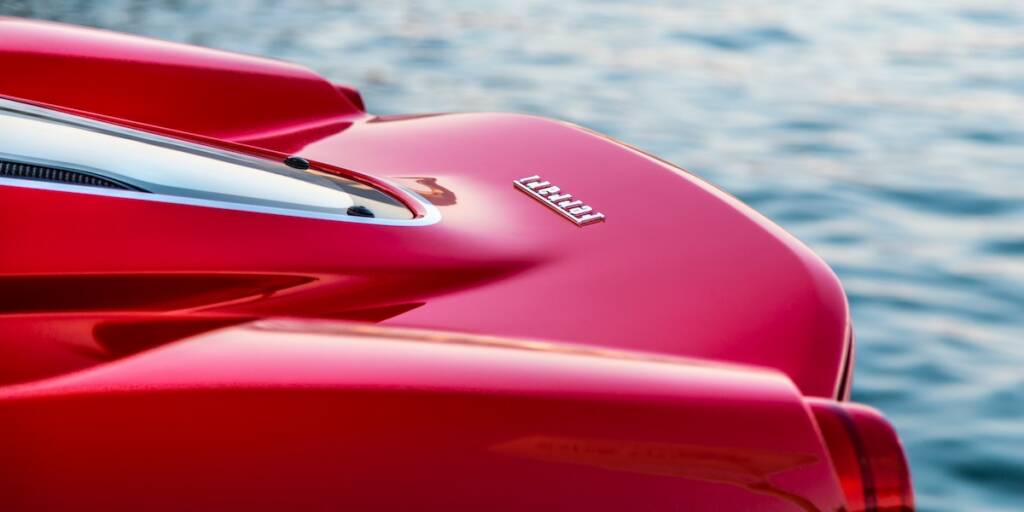
High-end finishes raise the bar. Exotic paint is designed to show off every body line and curve, and multi-layer colors change as you walk around the car. Matching that takes the right equipment and a painter who understands how light behaves on each finish.
On a collector car, a mismatched panel or the wrong texture is one of the first things an appraiser notices.
The Three Types of Factory Paint
The first step is identifying how the paint was built, because each type is matched differently.
01
Solid colors
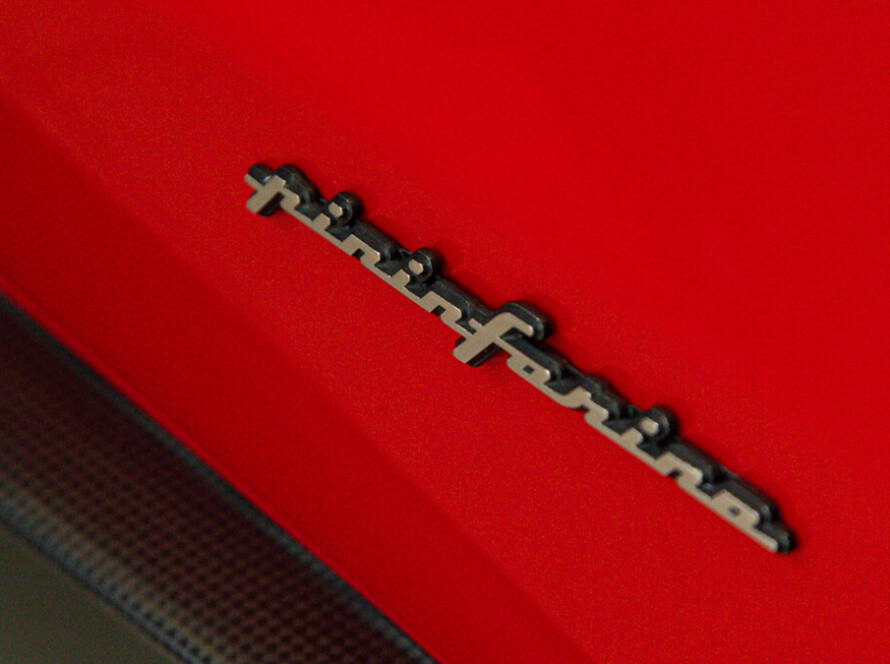
Deep, single-tone colors like Ferrari’s Rosso Corsa or Giallo Modena. They need full depth and gloss, because any flatness shows immediately.
02
Metallic and pearl colors
Contain tiny aluminum flakes or mica particles. How those particles sit in the paint controls how the color reflects light.
03
Tri-coat finishes
A base color, a translucent mid-coat, and a clear coat. The depth comes from how thick each layer is, so every coat has to be built up exactly.
The paint itself also matters. Learn how waterborne and traditional paint systems differ.
Why Car Paint Changes Color Under Different Light
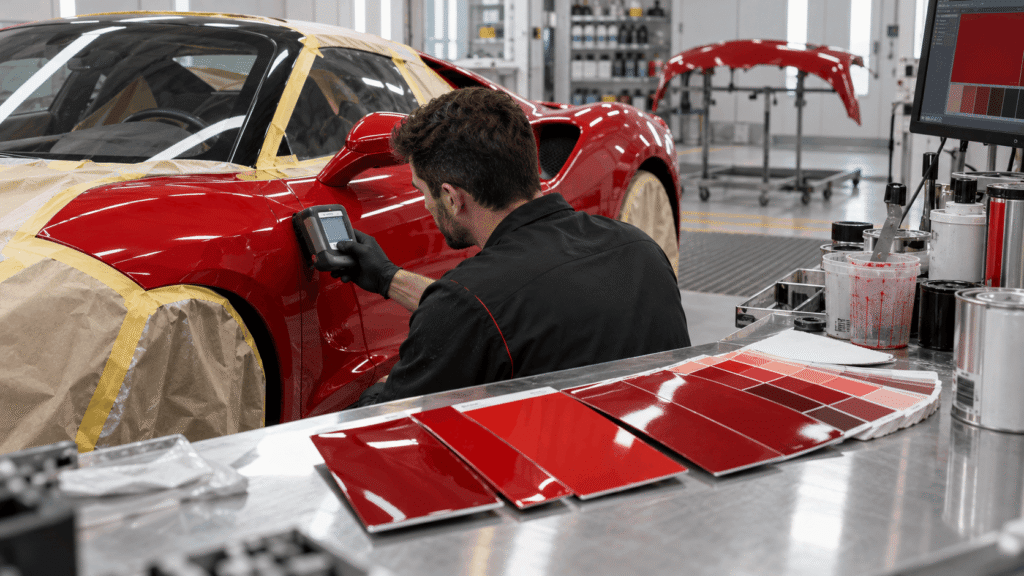
A repair can match perfectly in the shop and look wrong in the sun. This effect is called metamerism, and it’s one of the biggest challenges in paint matching.
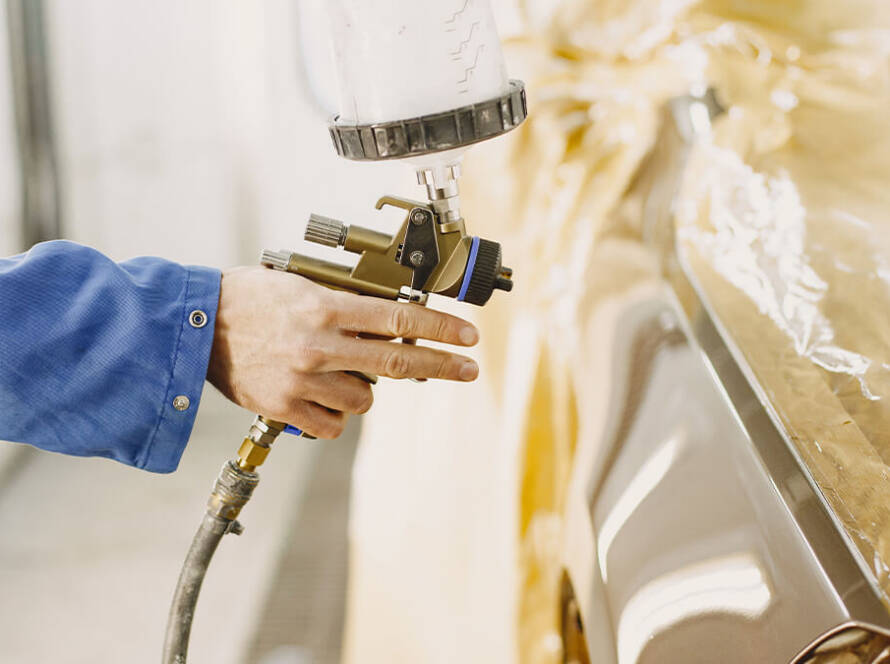
Metallic and pearl finishes also “flop,” meaning the color shifts as the viewing angle changes. Flop depends on how the flakes lie in the wet paint. If the spray gun’s air pressure or angle is off, the flakes stand up instead of lying flat, and the panel looks darker or muddy from the side.
How Shops Find the Exact Formula
Matching starts with data, not guesswork. The paint code points to a formula, and the shop then narrows it down to the version that matches your car today.
01
Read the paint code
The factory code identifies the color and its standard formula.
02
Scan the existing paint
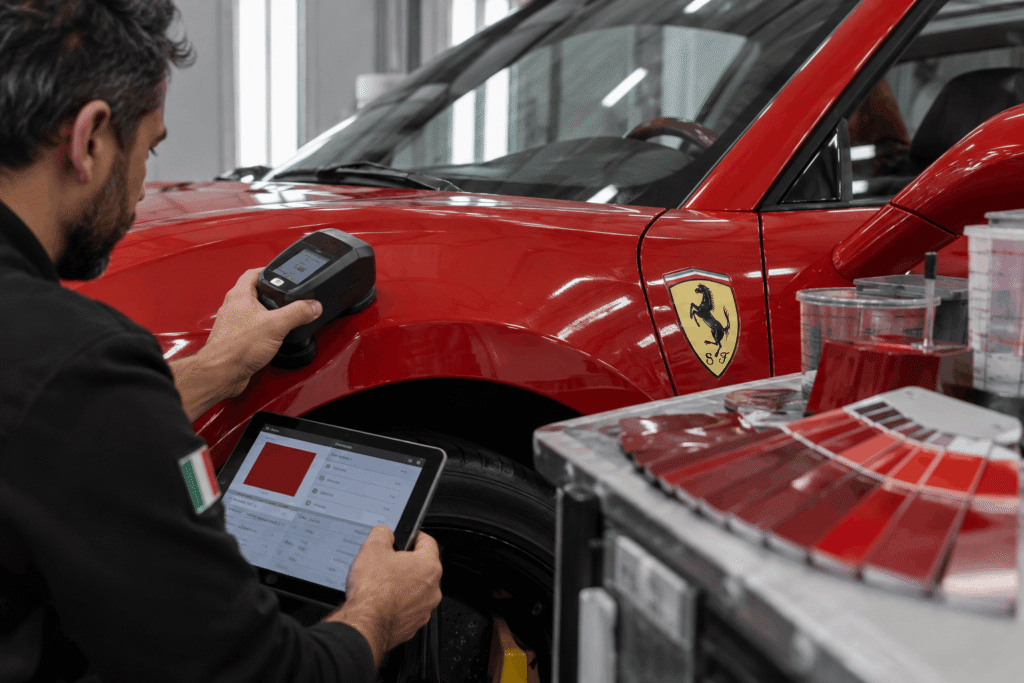
A multi-angle spectrophotometer reads the color and flake pattern of the panel next to the damage.
03
Pull the variant formula
The paint maker’s database offers variants of each color to account for factory batches and aging.
04
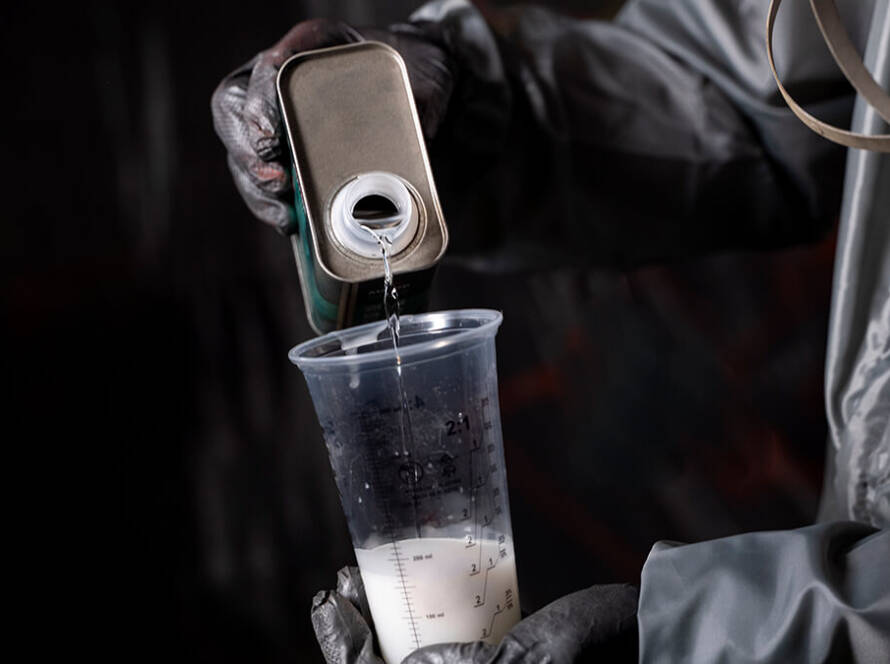
Spray a test card
The mixed paint is sprayed on a test card and compared to the car in daylight and shop light before it touches the panel.
Blending and Texture: Making the Repair Invisible
Even a perfect formula needs blending. Painters feather the new color into the panels next to the repair, so your eye never finds a hard line where old paint meets new.
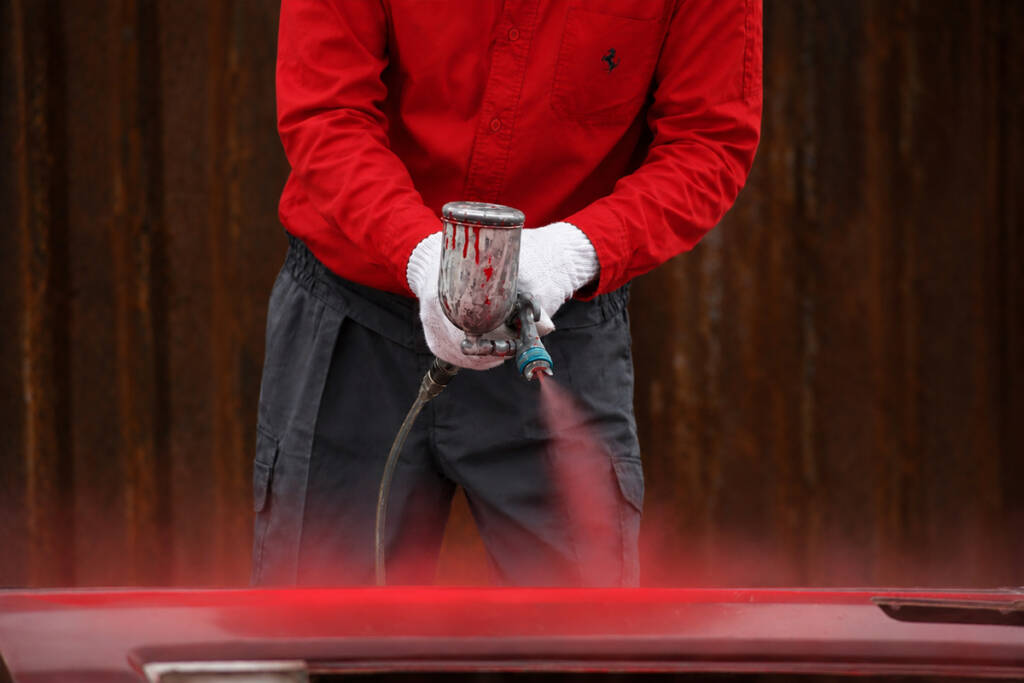
Texture matters just as much. Factory paint has a slight “orange peel” texture from robotic spraying, and the repair has to copy it. Painters control three things to get there:
| Air pressure | Controls how finely the paint atomizes, so the finish isn't too smooth or too rough |
| Fluid tip size | Matched to the paint's thickness for even coverage across the panel |
| Reducer speed | Controls how fast the wet paint levels out, so the texture matches the panels around it |
Polishing a repair to a mirror finish is a common mistake. If the panels around it have factory texture, a perfectly smooth panel stands out.
How Paint Thickness Affects Safety Sensors
Many modern cars hide radar sensors behind painted bumpers. Too many layers of primer, color, or clear coat can weaken the radar signal, so paint thickness is measured during the repair. We explain the details in our guide to what ADAS calibration is.
Final Inspection Under Every Light
A match isn’t finished until it passes inspection. After the paint is cured in a controlled booth, the car is checked the way an owner will actually see it:
1. Multiple light sources: The repair is checked under lighting that mimics daylight, shade, and indoor light.
2. Every viewing angle: Panels are viewed head-on and from sharp side angles to confirm the color flop matches.
3. Gloss and texture: The finish is compared to the surrounding panels for shine and orange peel.
4. Edges and transitions: Blend areas are checked for any visible line between new and original paint.
Clean, controlled conditions make all of this possible. See why paint cleanrooms matter for a flawless finish.
FAQs About Car Paint Matching
Can a body shop match any car paint color?
Most colors, yes. Tri-coat, pearl, and older faded paint are the hardest and take extra test spray-outs and blending to get right.
Where do I find my car’s paint code?
Usually on a label in the driver’s door jamb, under the hood, or in the trunk. Your owner’s manual or a dealer can also look it up from the VIN.
Why does a new panel look different in the sun?
That’s metamerism. Colors can match under one light and not another, which is why shops compare test cards in both daylight and shop light before painting.
Why do painters blend into the panels next to the repair?
Blending feathers the new color into the original paint, so there’s no hard edge for your eye to catch.
What is a tri-coat paint finish?
A base color, a translucent mid-coat, and a clear coat. The depth comes from layer thickness, so each coat has to be built up exactly to match.
Why is Ferrari red so hard to match?
Rosso Corsa has several factory variants over the years, and solid reds fade unevenly in the sun. Most repairs need a custom variant formula, not just the standard code.
Paint Repair
A Match You Can't See
Our work is finished when the repair disappears. We match color, flake, and texture on luxury and exotic finishes as part of every paint repair.
REPAIR INSIGHTS