Home > Blog > Collision Repair > Choosing a Ferrari Collision Repair Facility
Share this post:
Quick Takeaways
- Ferrari owners may choose any collision facility.
- Non-certified collision work can affect factory warranty coverage.
- Insurance carriers cannot force owners into preferred networks.
- Certified documentation helps validate OEM standards and labor operations.
Table of Contents
Can Ferrari owners choose their repair facility?
Yes — and that right is protected by consumer protection laws in most states.
Insurance companies may recommend preferred shops, but claim approval cannot legally depend on using one. You choose where your Ferrari gets repaired.
Understanding Your Right to Choose a Ferrari Collision Facility
Consumer protection laws protect a vehicle owner’s right to select their preferred collision center.
Insurance carriers may recommend preferred shops, but claim approval cannot legally depend on using an insurance-affiliated facility.
Understanding the Ferrari collision process can help owners make informed restoration decisions after an accident.
Why Insurance Companies Recommend Preferred Networks
Insurers operate through Direct-Repair Programs (DRPs) built around cost containment and administrative efficiency — not Ferrari engineering standards.
DRP priorities typically include:
- Discounted labor agreements
- Faster claim processing
- Alternative parts usage
- High-volume collision workflows
Adjusters sometimes use language suggesting that choosing an out-of-network facility will cause delays or added costs. Anti-steering regulations prohibit these tactics. If you experience this, you’re within your rights to push back.
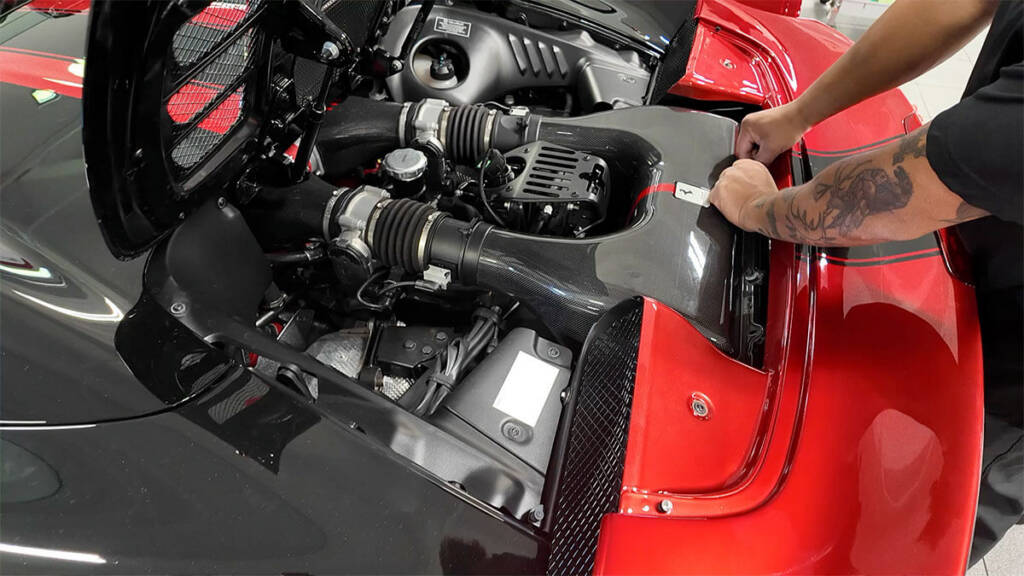
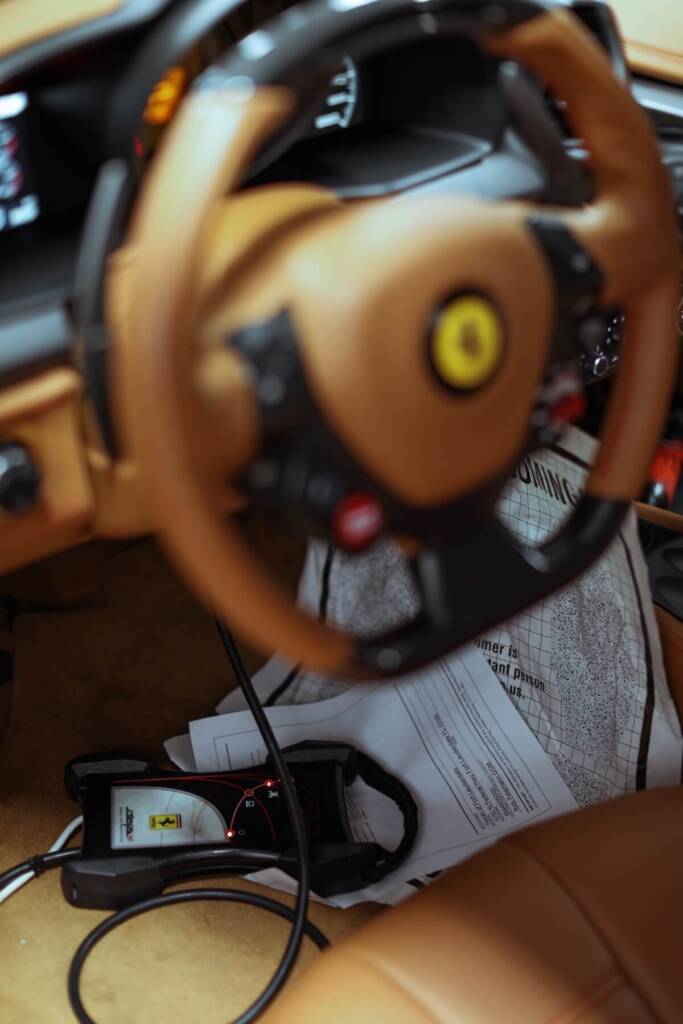
Direct-Repair Shops vs Ferrari-Certified Facilities
| Direct-repair shop | Ferrari-Certified Facility |
|---|---|
| Cost-focused repairs | ●OEM compliance |
| Shared steel environments | ●Isolated cleanrooms |
| Generic frame racks | ●Car Bench / Celette fixtures |
| Aftermarket components | ●Genuine Ferrari components |
| General auto training | ●Ferrari certification |
Why OEM Ferrari Standards Matter
Modern Ferraris are a unified system — aluminum structures, carbon fiber, serialized components, and ADAS all engineered to work together.
Improper collision work affects how the vehicle performs, calibrates, and is documented long after it leaves the shop. Non-certified structural procedures may also affect Ferrari warranty coverage.
Certified facilities use manufacturer-guided methodologies because the platform requires it — not because it’s preferred.
The Risks of Insurance Cost Containment
Many Ferrari restoration procedures aren’t visible during an initial insurance inspection — which means they’re easy to cut from an estimate.
Commonly overlooked procedures include:
- Aluminum Cleanroom Operations
- Car Bench Fixture Calibration
- Adhesive Bonding
- Carbon Fiber Restoration
- Radar Transparency Validation
Certified facilities document and justify each of these through factory blueprints and manufacturer position statements. Shops that don’t know how to perform them simply won’t.
Navigating the Approval Process
A proper Ferrari collision workflow looks like this:
01
Vehicle intake and disassembly
02
Chassis fixture mapping and measurements
03
Hidden damage documentation
04
OEM supplement submission
05
Manufacturer position statement review
06
Insurance authorization approval
07
Genuine component ordering
08
Restoration and calibration
Factory-authorized facilities submit official manufacturer position statements explaining why alternative methods don’t meet Ferrari standards. This documentation supports the claim — and follows the car.
Preserving Ownership Continuity and Resale Provenance
In the exotic market, resale confidence depends on documented originality. Buyers ask questions, and gaps in a car’s history are noticed.
Long-term provenance is shaped by:
- OEM component continuity
- Serialized component verification
- Factory-authorized service history
- Complete documentation records
Undocumented collision work or unverified components can permanently affect collector confidence — even on a car that looks perfect.
FAQs About Choosing a Ferrari Collision Facility
Can insurance companies force Ferrari owners to use preferred shops?
No. Owners maintain the legal right to choose their preferred collision facility.
What is insurance “steering”?
Steering refers to pressure tactics used to encourage owners toward insurance-affiliated networks.
Can non-certified repairs affect Ferrari warranty coverage?
Yes. Unapproved structural procedures or components may affect factory warranty protections.
Why are Ferrari labor rates higher than standard body shops?
Ferrari structural restoration requires specialized tooling, cleanrooms, calibration systems, and factory-trained technicians.
Are salvage Ferrari structural parts safe?
Previously damaged aluminum structures may contain hidden stress damage or altered crash behavior.
Why do Ferrari repairs require OEM documentation?
OEM documentation validates factory standards, structural procedures, and calibration requirements.
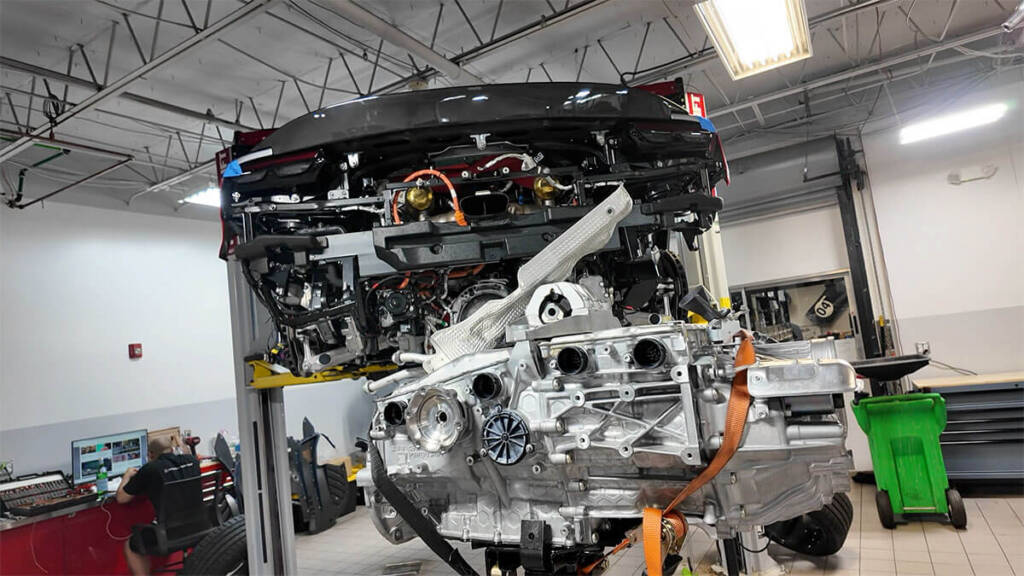
Selecting a Ferrari Collision Facility
A collision puts you under pressure to make decisions quickly.
Understanding your rights, the repair workflow, and the difference between conventional and Ferrari-certified facilities puts you in a better position to make the right call for your car.
Learn more about our Ferrari-certified collision standards and factory-authorized methodologies.
REPAIR INSIGHTS