Home > Blog > Collision Repair > OEM vs Aftermarket Parts: What Matters After an Accident
Share this post:
Quick Takeaways
- OEM means factory. Same part, same materials, same fit as the car was built with.
- Aftermarket and used parts save money up front. On high-end cars, fit, sensors, and resale can pay the price.
- Insurers often default to cheaper parts. You can ask for OEM, and your policy may already require it.
- Documentation protects value. A record of factory parts helps when it’s time to sell.
Table of Contents
OEM parts are made by the vehicle’s manufacturer or its approved suppliers, while aftermarket parts are made by other companies to fit the same car. After a collision, that difference affects fit, safety systems, and resale value.
It comes up because insurers often write estimates with cheaper parts. On a luxury or exotic car, those savings can cost more down the road, which is why the parts question is part of every luxury car collision repair we take on.
How OEM and Aftermarket Parts Differ
Collision estimates can list four kinds of parts:
- New OEM: made by the carmaker or its approved supplier, identical to what came on the car.
- Aftermarket: made by a third party to fit the car. Quality varies, and some are certified by independent testing groups.
- Used or recycled OEM: factory parts pulled from another vehicle, often a salvaged one.
- Reconditioned: damaged factory parts that have been repaired and refinished for reuse.
For accessories and wear items, aftermarket can be fine. For crash parts on a luxury or exotic car, the factory part is usually the only one that fits and performs the way the car was designed.
Why OEM Parts Matter on a Ferrari or Exotic
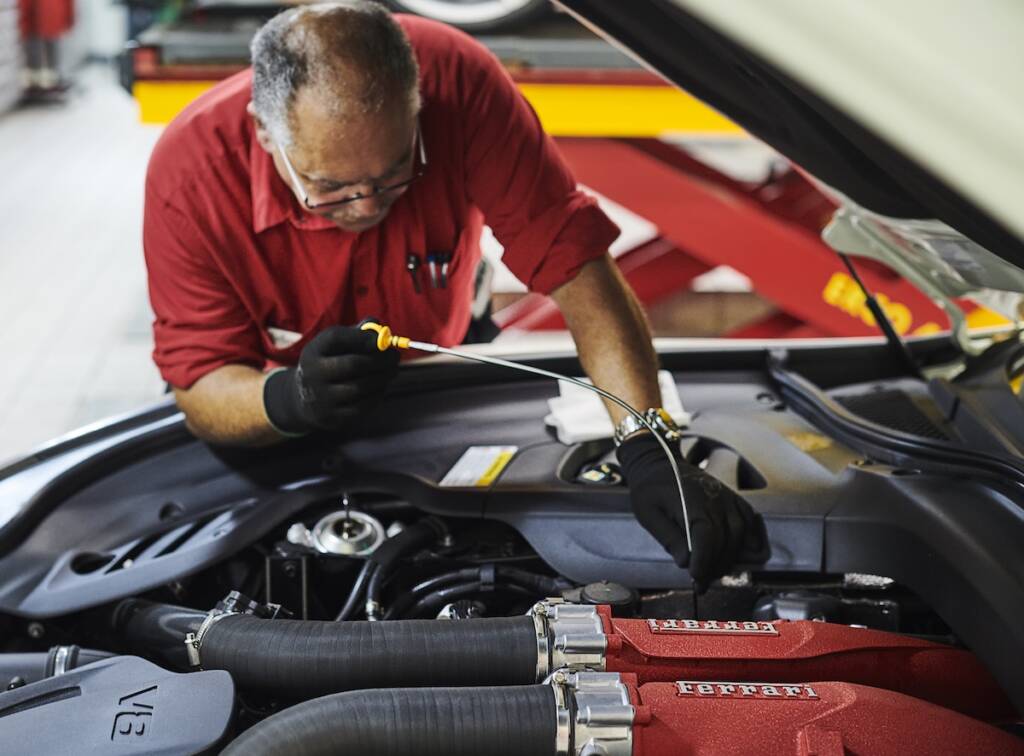
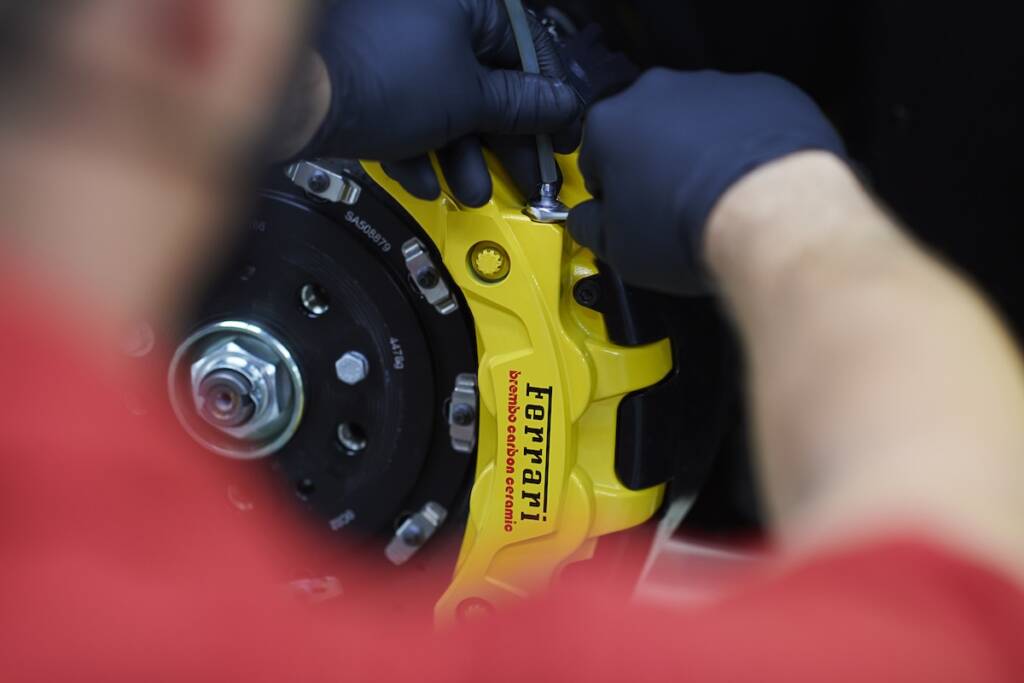
High-end cars leave less room for “close enough.” On a Ferrari, Lamborghini, or McLaren, crash parts do more than fill a gap:
- Structure: aluminum and carbon fiber parts are built to absorb impact in a set sequence. A part with different metal or thickness changes that.
- Fit and aerodynamics: body panels shape airflow, cooling, and stability. Small gaps or misalignment show up visually and at speed.
- Safety sensors: radar and cameras sit behind bumpers and panels. A cover with a different material or thickness can throw off ADAS calibration.
- Joining methods: factory parts are designed for the adhesives and rivets specified in the repair procedure.
OEM vs. Aftermarket at a Glance
| Factor | OEM Parts | Aftermarket Parts |
|---|---|---|
| Materials | ●Same alloys and composites as the factory | May differ from the original |
| Fit | ●Built to factory dimensions | Reverse-engineered, fit varies |
| Crash performance | ●Tested with the vehicle | Not tested on your car |
| Sensor compatibility | ●Designed around ADAS sensors | Can interfere with radar |
| Documentation | ●Traceable part numbers | Limited or none |
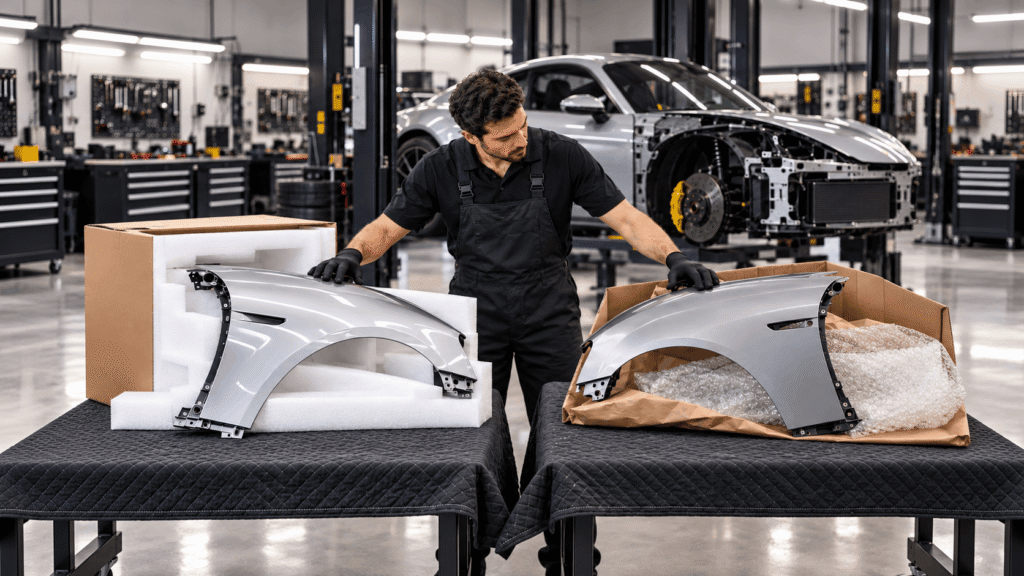
The Risk With Used and Salvage Parts
Used parts are still factory parts, but their history is unknown. A part pulled from a wrecked car may carry stress from that crash that doesn’t show on the surface.
That risk is highest with aluminum. Aluminum that’s been bent or stressed can develop internal cracks, which is one reason aluminum body repair follows stricter rules than steel. A used structural part can’t be verified the way a new one can.
Why Insurance Companies Push Aftermarket Parts
Insurers write estimates to keep claim costs down, so the first estimate often lists aftermarket or used parts. That doesn’t mean you’re stuck with them.
How to get OEM parts from insurance:
- Read your policy. Some policies include OEM parts, or offer an OEM endorsement you may already have.
- Check the estimate. Florida requires repair estimates to identify non-OEM crash parts, so look for them by name.
- Ask your shop to document the need. Manufacturer repair procedures and position statements can show why a factory part is required.
- Push back in writing. Request OEM parts with that documentation attached. If you weren’t at fault, the other driver’s insurer is paying.
You also have the right to choose your own repair shop. An insurer can recommend one, but the decision is yours.
OEM Parts and Resale Value
On a luxury or exotic car, buyers ask what was repaired and with what. A repair file showing genuine factory parts answers that question, while unverified parts leave gaps that are hard to close later.
See what a complete repair file should include in our guide to frame damage repair. If another driver caused the accident, a diminished value claim may recover some of the value a crash takes off the car.
FAQs About OEM and Aftermarket Parts
Are aftermarket parts as good as OEM?
Some are close, and others aren’t. Quality varies by manufacturer, and even good aftermarket parts aren’t tested on your specific car the way OEM parts are.
Can I refuse aftermarket parts on an insurance claim?
You can ask for OEM parts and push back in writing. Whether the insurer pays for them depends on your policy and on whether the repair procedures require them.
Does insurance have to pay for OEM parts?
Not always. It depends on your policy, but many insurers approve OEM parts when the shop shows the manufacturer requires them for a safe repair.
Do aftermarket parts void my car’s warranty?
Not automatically. Federal law generally prevents a carmaker from voiding a warranty just because aftermarket parts were used, unless those parts caused the problem.
Are used OEM parts safe?
Cosmetic used parts are often fine. Used structural parts are riskier, because there’s no way to know what stress they took in their original crash.
Do aftermarket parts affect resale value?
They can. Buyers of luxury and exotic cars look for factory parts in the repair history, and non-OEM parts can lower what they’ll pay.
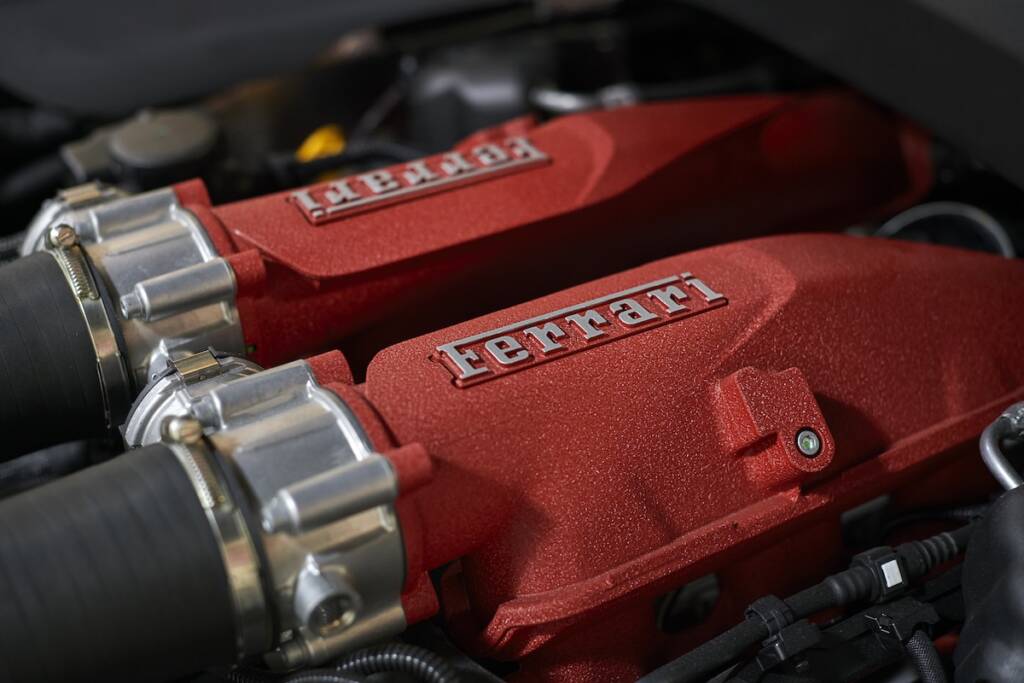
Does a Ferrari need genuine Ferrari parts after a collision?
Ferrari’s repair procedures are written around genuine Ferrari parts, and an authorized repair facility follows them. That protects structure, sensors, and the car’s documented history.
Factory Parts
The Right Parts, Documented
We repair with factory parts and keep the paperwork to prove it. If your estimate lists aftermarket parts, we'll help you make the case for OEM as part of our collision repair.
REPAIR INSIGHTS